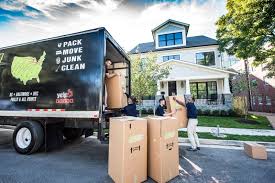
 A successful local move requires careful planning and organization. While professional movers can handle much of the heavy lifting, your preparation plays a crucial role in ensuring everything goes smoothly. Taking the time to plan ahead, stay organized, and manage details effectively can significantly reduce stress and prevent last-minute problems. A well-prepared move not only saves time but also helps you settle into your new home more comfortably.
Start by decluttering your home. Moving is the perfect opportunity to evaluate your belongings and decide what you truly need. Go through each room and separate items into categories such as keep, donate, sell, or discard. This reduces the number of things you have to pack and transport, saving both time and money. A lighter load also makes unpacking easier and helps you start fresh in your new space. Working with organized home moving process strategies can make this step more efficient and less overwhelming.
Create a moving checklist to keep track of tasks. A detailed checklist acts as your roadmap throughout the moving process. Include everything from packing schedules and utility notifications to address updates and moving day arrangements. Breaking tasks into smaller steps makes them more manageable and ensures that nothing important is forgotten. Regularly reviewing and updating your checklist will keep you on track and give you a sense of control during what can otherwise feel like a chaotic time.
Packing early is another important tip. Don’t wait until the last minute to start packing, as rushing increases the risk of damage and disorganization. Begin with items you use less frequently, such as seasonal clothing, decorations, or rarely used kitchenware. Gradually move on to everyday essentials as your moving date approaches. Using secure residential packing methods, such as sturdy boxes, bubble wrap, and proper sealing techniques, will help protect your belongings and keep everything intact during transit.
Labeling boxes is crucial. Clearly mark each box with its contents and the room it belongs to in your new home. You can also use color-coding or numbering systems to make identification even easier. This not only speeds up the unloading process but also helps you locate important items quickly when unpacking. Proper labeling reduces confusion and allows both you and the movers to stay organized throughout the move.
Communication with your moving company is also essential. Provide clear instructions about your expectations, special items, and any challenges such as narrow hallways or limited parking. Confirm details like arrival time, services included, and contact information ahead of moving day. Open and consistent communication helps prevent misunderstandings and ensures that everyone is on the same page. Choosing a reliable neighborhood moving services provider that values clear communication can make a significant difference in your overall experience.
Prepare an essentials box with items you’ll need immediately after the move. This box should include daily necessities such as toiletries, medications, a change of clothes, phone chargers, snacks, and important documents. You might also include basic kitchen supplies like a kettle, utensils, and simple food items. Keeping these essentials easily accessible will help you feel more comfortable and settled during your first day and night in your new home.
It’s also important to take care of important documents and valuables separately. Items such as passports, identification cards, financial records, jewelry, and sentimental belongings should be kept with you rather than packed with the rest of your items. This ensures their safety and makes them readily available when needed. Having a dedicated folder or bag for these essentials can give you extra peace of mind during the move.
Another helpful step is to prepare your new home in advance. If possible, visit your new place before moving day to clean, inspect, and make any necessary repairs. Ensure that utilities such as electricity, water, and internet are set up and functioning. Planning where furniture and major items will go can also speed up the unloading and unpacking process. A ready-to-move-in space makes the transition much smoother.
Time management on moving day is equally important. Start early, stick to your schedule, and allow some buffer time for unexpected delays. Keep important contacts handy, including your movers and any service providers. Staying organized and proactive throughout the day will help everything run more efficiently and reduce stress.
Finally, take care of yourself during the move. Stay hydrated, eat properly, and take breaks when needed. Moving can be physically exhausting and emotionally draining, especially if you are balancing other responsibilities. Don’t hesitate to ask for help from friends, family, or professionals. Prioritizing your well-being will help you stay focused and positive throughout the process.
In conclusion, a successful local move is all about preparation, organization, and clear communication. By following these tips and working alongside professional movers, you can minimize stress and avoid common pitfalls. With the right approach, your move can be a smooth, efficient, and even enjoyable experience as you begin a new chapter in your home.